- MVP Templates
- Posts
- The $1 Billion Bait and Switch that Launched OpenAI
The $1 Billion Bait and Switch that Launched OpenAI
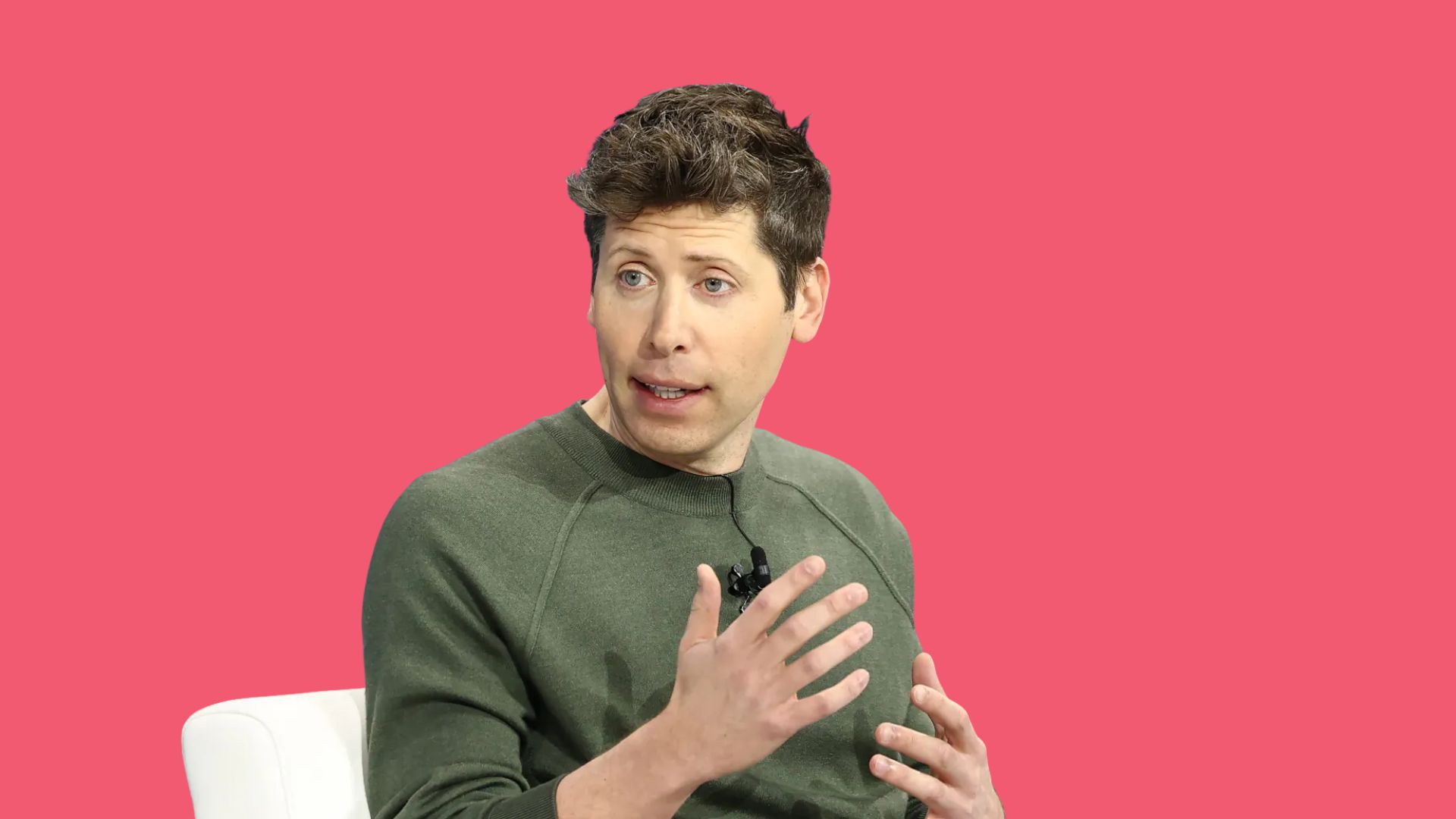
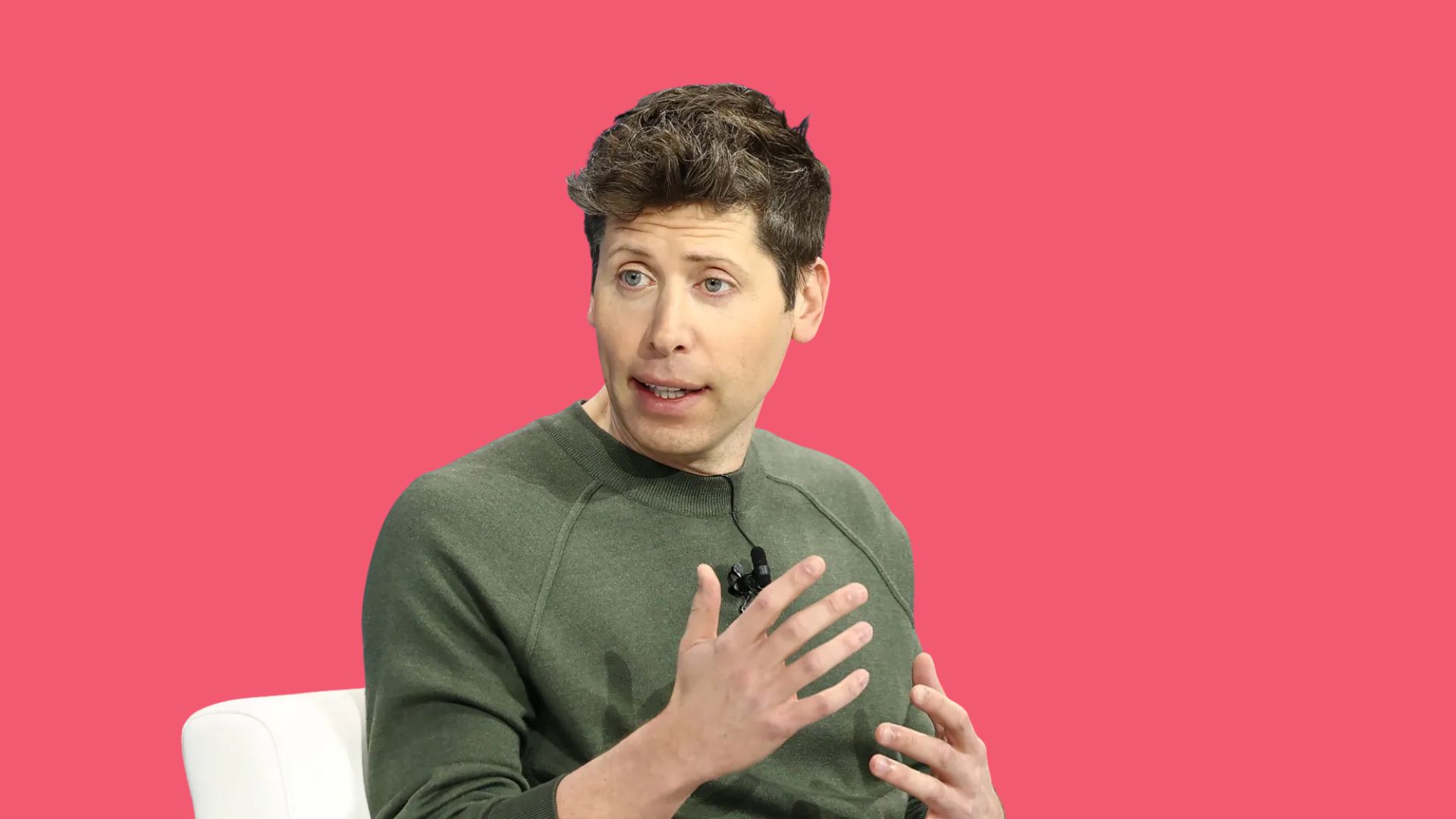
Sam Altman and OpenAI's masterclass in structural deception

Branden Coluccio
November 11, 2025
In partnership with

Find customers on Roku this holiday season
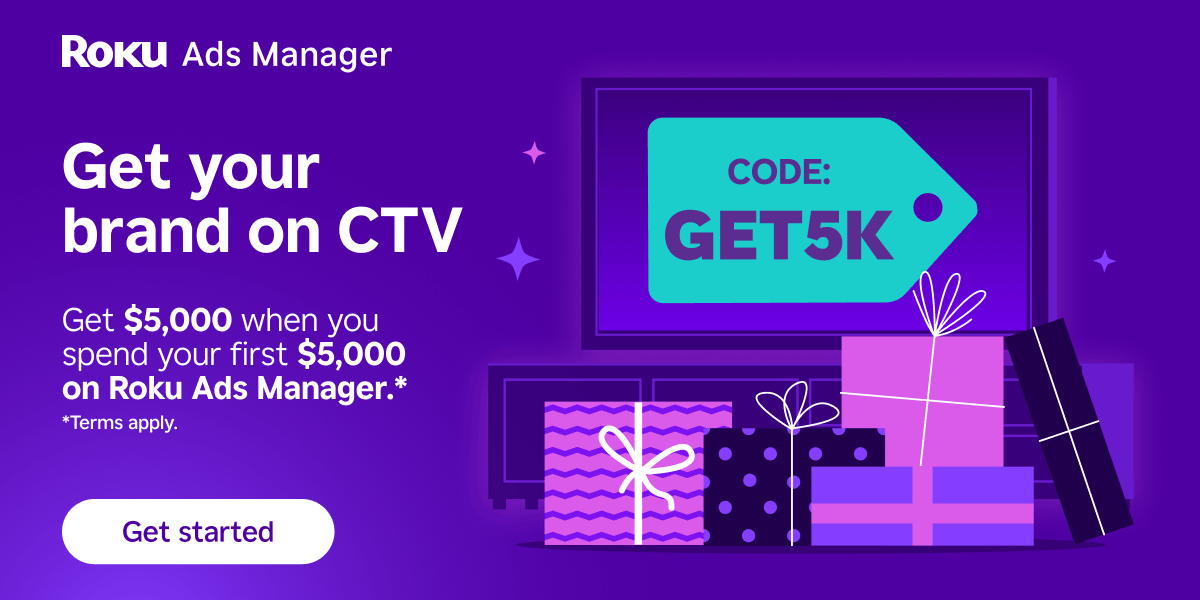
Now through the end of the year is prime streaming time on Roku, with viewers spending 3.5 hours each day streaming content and shopping online. Roku Ads Manager simplifies campaign setup, lets you segment audiences, and provides real-time reporting. And, you can test creative variants and run shoppable ads to drive purchases directly on-screen.
Bonus: we’re gifting you $5K in ad credits when you spend your first $5K on Roku Ads Manager. Just sign up and use code GET5K. Terms apply.
📍 San Francisco, California
In 2015, Sam Altman was facing a problem that would make most AI researchers quit before starting: Google had just acquired DeepMind and appeared positioned to monopolize artificial general intelligence development.
Traditional startups couldn't compete—top AI researchers refused to work for profit-driven companies they believed would weaponize AGI for shareholder returns.
But Altman had a radical insight: what if he launched OpenAI as a nonprofit research lab that could attract mission-driven talent who'd never join a startup?
That positioning helped him secure $1 billion in pledges from Elon Musk, Peter Thiel, Reid Hoffman, and others who feared AGI concentrated in Google's hands.
The genius move came in 2019 when OpenAI converted to a "capped-profit" structure, allowing Microsoft to invest $13 billion while maintaining the nonprofit governance that made recruitment possible.
Today, OpenAI's $157 billion valuation proves that sometimes the best way to build a commercial empire is by, well, lying your way to market dominance.
The Play: “Ethics” as a Talent Acquisition Strategy
While traditional AI startups competed for researchers with equity and salaries, Altman took the opposite approach.
He used non-profit status as recruiting advantage, attracting researchers who believed for-profit AI development threatened humanity, then converted to commercial structure once talent was locked in.
The old bait and switch.
Key Strategic Moves:
Mission-Driven Positioning: Launched in 2015 with explicit goal to "benefit humanity as a whole, unconstrained by need to generate financial return"
Open-Source Promises: Committed to publishing research and open-sourcing technology to differentiate from secretive Google DeepMind
Capped-Profit Conversion: In 2019, created for-profit subsidiary with 100x return caps, allowing $13B Microsoft investment while maintaining nonprofit control
The Results:
🚀 $1B in pledges from tech luminaries who wouldn't fund traditional AI startups due to existential risk concerns
🚀 $13B Microsoft investment after 2019 conversion to capped-profit structure that retained nonprofit governance
🚀 $157B valuation (2024) after ChatGPT reached 100M users faster than any consumer app in history
The Genius Behind Altman's "Nonprofit to Profit" Fundraising
1. Nonprofit Status as Unexpected Competitive Moat
By 2019, OpenAI had recruited Ilya Sutskever (ex-Google), Greg Brockman (ex-Stripe CTO), and dozens of elite researchers who would never have joined a for-profit.
When OpenAI converted to capped-profit, these researchers were already committed—switching costs were too high to leave for competitors like DeepMind.
2. "Capped Profit" as Compromise Structure
The 2019 restructuring was brilliant: investors could earn up to 100x returns (satisfying capital requirements), but nonprofit board retained control (satisfying mission-driven staff).
This hybrid structure let OpenAI raise billions while maintaining recruiting advantages of nonprofit positioning.
3. Microsoft Partnership as Infrastructure Subsidy
By making Microsoft the exclusive cloud provider, OpenAI got free Azure compute credits worth hundreds of millions.
In exchange, Microsoft received early access to models and the right to invest $13B.
This meant OpenAI could spend donated capital on research while Microsoft subsidized infrastructure costs.
💡 How to Borrow OpenAI's "Nonprofit Conversion" Playbook
1. Start as Nonprofit to Attract Mission-Driven Talent
Launch as nonprofit when your industry has ethical concerns that make top talent avoid for-profit companies
Use mission positioning to recruit people who'd never join traditional startups
Show investors how nonprofit status creates talent acquisition advantages competitors can't replicate
2. Convert Structure When Capital Needs Exceed Donations
Wait until you've captured key talent before converting to for-profit structure
Use "capped profit" or public benefit corporation models that maintain mission credibility
Document how structural conversion unlocks growth capital while preserving cultural advantages
3. Time Commercial Conversion for Maximum Leverage
Don't convert to for-profit immediately—wait until you've built irreplaceable talent advantage
Convert only when capital needs genuinely exceed what donations can provide
Use timing to maximize valuation: OpenAI converted after GPT-2 proved capabilities but before ChatGPT exploded
Startups Currently Raising from Around the World
Are you ready to be featured on this list?
Gamma (USA): AI-powered visual storytelling platform that generates presentations, websites, and social media content in minutes, enabling users to transform ideas into polished professional materials without design skills, serving 70 million users and achieving $100M ARR profitably with only 50 employees.
🔗 gamma.app
📄 Funding Announcement
💰 Raising: $68M (Series B) | Committed: Fully raised (November 2025; led by Andreessen Horowitz with participation from Accel, Uncork Capital, South Park Commons, and Hustle Fund at $2.1B valuation)
Wabi (USA): Social app creation platform enabling anyone to build and share mini-applications using simple text prompts without coding, described as "YouTube for apps," founded by Replika creator Eugenia Kuyda who previously built a 35 million-user AI companion platform.
🔗 wabi.ai
📄 Funding Announcement
💰 Raising: $20M (Pre-seed) | Committed: Fully raised (November 2025; backed by Andreessen Horowitz with angel investors Naval Ravikant, Garry Tan, Justin Kan, Amjad Masad, and DJ Seo)
Reflex Aerospace (Germany): NewSpace satellite manufacturer delivering custom-built LEO satellites between 50-500 kg in 12 months using generative design, additive manufacturing, and modular OmniFlex platform architecture for dual-use commercial and defense missions.
🔗 reflexaerospace.com
📄 Funding Announcement
💰 Raising: $57.7M (Series A) | Committed: Fully raised (November 2025; round closes with participation from leading European defense and aerospace investors)
Takeaway:
Sam Altman didn't just build an AI company—he revolutionized how founders think about organizational structure by proving that starting as a nonprofit can create talent and capital advantages impossible for traditional startups.
By positioning OpenAI as humanity's defense against AI catastrophe, he attracted researchers who'd never join for-profit companies, then converted to capped-profit once that talent was locked in.
His $1B in nonprofit pledges became $13B in Microsoft investment and ultimately a $157B valuation because he understood that in talent-constrained industries, mission-driven positioning beats equity compensation.
For founders, the lesson is clear: When top talent refuses to work for profit-driven companies, start as a nonprofit to win the talent war, then convert to commercial structure once you've built irreplaceable competitive advantages your structure enabled.
Want to attract talent that won't join startups? Launch as a nonprofit with a mission they believe in, capture the talent market, then convert to for-profit once switching costs make them stay regardless of structure.
Build Aggressively.
— Forbes 30 under 30 | Top 5% Inc. 5,000 Entrepreneur | $100M+ in exits
📩 PS: Was this helpful? Hit reply to let us know & share your startup story—we’d love to hear it!
📩 PSS: Do you want help raising money and scaling you business? Click here set up a meeting!
What'd you think of this post? |